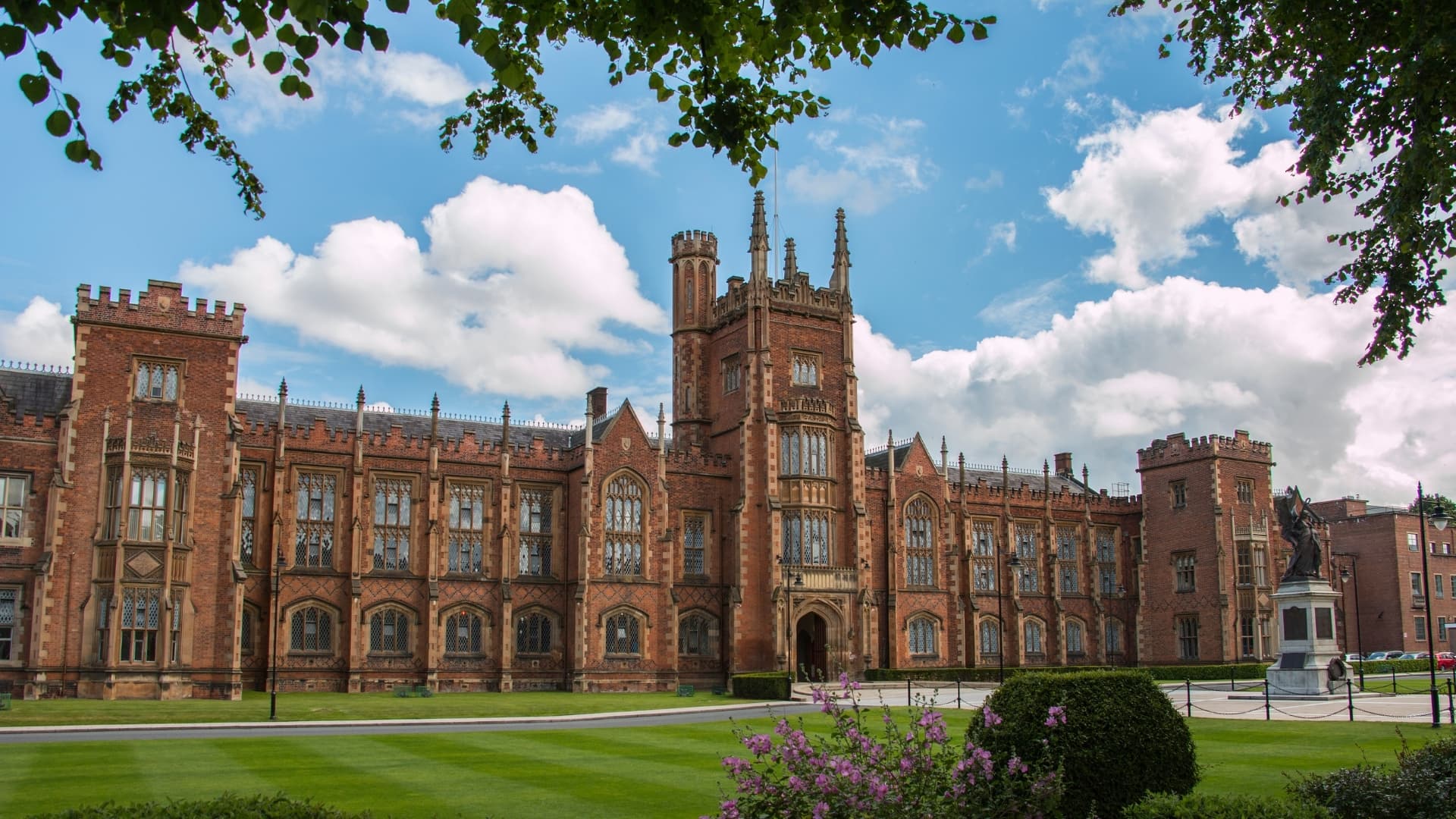
Ulster University, one of Europe’s largest single higher-education buildings, spans approximately 75,000m² across eleven floors. It wanted greater visibility into how its campus was really operating.
Despite being open seven days a week, many decisions around heating, cleaning, security and space management were based on fixed schedules rather than actual demand. The university needed a clearer understanding of occupancy patterns and building performance to improve operational efficiency, reduce waste and support evidence-based decision making, without impacting the student experience.
Solution: Smart Occupancy and Environmental Monitoring
beespace deployed BZ-1 smart sensors throughout the building, capturing occupancy, temperature, humidity, light levels and NFC proof-of-presence data.
The data was continuously analysed by laura, beespace’s 24/7 digital analyst, identifying utilisation trends and operational opportunities across energy management, cleaning, security and space utilisation.
Using real-time occupancy and environmental intelligence, Ulster University gained a clear picture of how the building was actually being used for the first time.
Insight: The Building Wasn’t Used as Expected
The data challenged several assumptions about how the building was being used.
- Internal temperatures regularly exceeded 23°C on largely unoccupied Sundays, despite average external temperatures of only 12°C.
- Ground floor activity was almost 4x higher than upper floors.
- Several teaching spaces recorded little or no occupancy despite being booked.
- Occupancy varied significantly throughout the year, with some weeks recording 4-5x more activity than others, yet remained highly predictable year-on-year.
- Cleaning demand was concentrated in a small number of high-traffic areas and washrooms.
- The building operated as though fully occupied despite extended periods of low demand.
Outcome: From Fixed Schedules to Demand-Led Operations
- Heating schedules were aligned with actual occupancy, reducing weekend temperatures by 6°C year-on-year and eliminating unnecessary heating during low-demand periods.
- Cleaning operations moved from fixed schedules to a hybrid demand-led approach, focusing resources on the busiest spaces while reducing unnecessary activity in low-use areas.
- Security teams adopted an alert-driven model, allowing staff to respond to unexpected activity rather than relying solely on routine patrols.
- Space utilisation insights identified opportunities to consolidate underused areas and better align services with demand.
The result was a more efficient, responsive and sustainable campus without compromising service quality.
Get in Touch
See how beespace can help your organisation measure, analyse, and optimise space with our smart sensors.
T: 028 9002 8888 | E: info@bee.space